Off-Grid Solar Systems in Pakistan: The Complete 2025 Guide
Explore the complete 2025 guide on off-grid solar systems in Pakistan. Learn how they work, key components, installation costs, battery solutions, benefits, challenges, and why they are the ideal choice for homes, farms, and businesses in areas with limited or unreliable electricity.
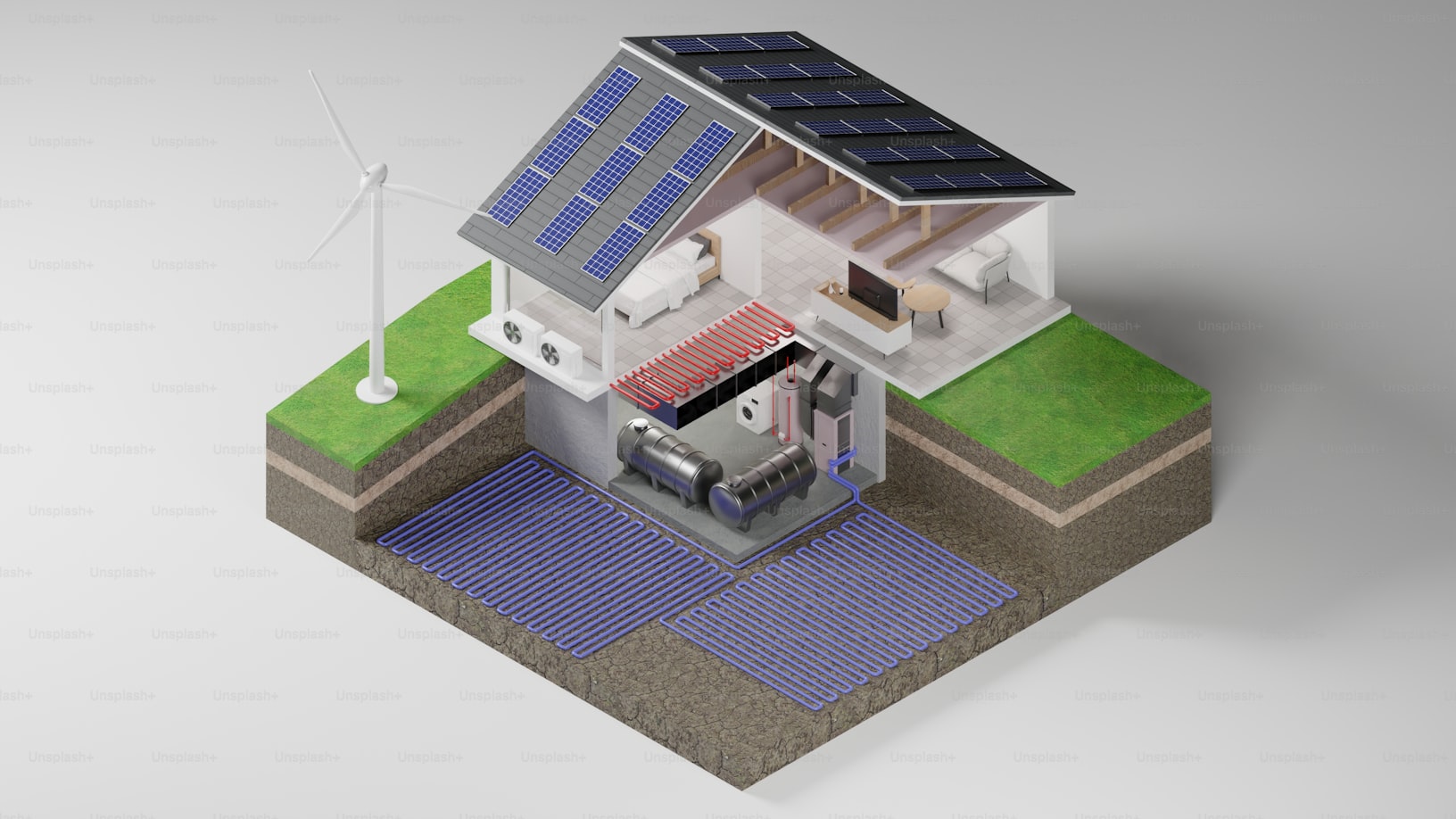
Off-Grid Solar Systems in Pakistan: The Complete 2025 Guide
Electricity shortages and frequent load-shedding continue to challenge Pakistan’s households and businesses. For many areas, particularly in rural regions, grid electricity is either unreliable or completely unavailable. Off-grid solar systems provide an effective and sustainable solution, offering complete energy independence without relying on the national grid.
In this guide, we’ll explore everything you need to know about off-grid solar systems, including system components, working principles, installation costs, maintenance, advantages, and challenges. Whether you are a homeowner, farmer, or business owner, this guide will help you make informed decisions about investing in off-grid solar solutions.
What is an Off-Grid Solar System?
An off-grid solar system is a standalone solar setup that generates electricity independently of the national grid. It stores excess energy in batteries for use when sunlight is unavailable, ensuring continuous power supply. Off-grid systems are particularly useful in remote locations, disaster-prone areas, or places with unreliable grid connections.
How Do Off-Grid Solar Systems Work?
Off-grid solar systems work by capturing sunlight through solar panels, converting it into electricity via inverters, and storing it in batteries for future use. Here’s a step-by-step explanation:
| Step | Process | Result |
|---|---|---|
| 1 | Solar panels capture sunlight | Generates DC electricity |
| 2 | Inverter converts DC to AC | Powers home or business appliances |
| 3 | Excess electricity stored in battery bank | Ensures backup during night or cloudy days |
| 4 | Energy management system distributes power | Optimizes consumption and prevents overload |
Key Components of Off-Grid Solar Systems
- Solar Panels: High-efficiency photovoltaic panels that convert sunlight into electricity.
- Inverter: Converts DC electricity from solar panels and batteries into AC power for appliances.
- Battery Bank: Stores energy for use during periods without sunlight.
- Charge Controller: Regulates battery charging and prevents overcharging or deep discharge.
- Monitoring System: Tracks power generation, consumption, and battery levels in real-time.
Types of Off-Grid Solar Systems
Off-grid solar systems can be customized based on energy requirements and location. The main types include:
- Residential Systems: Designed for homes with 1–10 kW capacity depending on energy needs.
- Commercial Systems: Medium to large systems (10–50 kW) for offices, shops, and small factories.
- Industrial Systems: Large-scale systems (>50 kW) for factories, warehouses, and agricultural processing units.
- Rural and Community Systems: Solar microgrids providing electricity to villages, schools, and healthcare centers.
Advantages of Off-Grid Solar Systems
- Energy Independence: No reliance on the national grid or diesel generators.
- Reliable Power Supply: Batteries ensure electricity is available at night or during bad weather.
- Cost Savings: Long-term savings on electricity bills and fuel costs for generators.
- Environmentally Friendly: Reduces carbon footprint by replacing fossil fuel usage.
- Customizable: Systems can be designed to meet specific energy needs and budgets.
Installation Process
The installation of an off-grid solar system involves several steps:
- Site assessment to determine sunlight availability and energy requirements.
- Design of system including panel capacity, battery size, and inverter selection.
- Procurement of high-quality components.
- Professional installation and wiring of solar panels, inverter, and batteries.
- System testing and monitoring setup to ensure optimal performance.
Costs of Off-Grid Solar Systems in Pakistan (2025)
The total cost depends on system size, battery capacity, and component quality. Approximate prices are as follows:
| System Size | Cost (PKR) | Battery Backup | Ideal For |
|---|---|---|---|
| 3 kW | 750,000 – 950,000 | 6–8 hours | Small homes, shops |
| 5 kW | 1,200,000 – 1,500,000 | 8–10 hours | Medium homes, offices |
| 10 kW | 2,500,000 – 3,000,000 | 10–12 hours | Large homes, small factories |
| 20 kW+ | 5,000,000+ | 12–16 hours | Industrial or agricultural setups |
Battery Options for Off-Grid Systems
Battery storage is a critical component. Common options include:
- Lead-Acid Batteries: Affordable but heavy and require regular maintenance.
- Lithium-Ion Batteries: Lightweight, high efficiency, longer lifespan, but higher initial cost.
- Flow Batteries: Advanced option for large systems; scalable and long lifespan.
Maintenance Tips for Off-Grid Solar Systems
Proper maintenance ensures the longevity and efficiency of off-grid solar systems. Key practices include:
- Regular cleaning of solar panels to remove dust, dirt, and bird droppings.
- Periodic inspection of battery health and connections.
- Checking inverter performance and software updates if applicable.
- Ensuring wiring and connectors are secure and free from corrosion.
- Monitoring energy usage to avoid overloading the system.
Challenges Facing Off-Grid Solar Systems in Pakistan
While off-grid solar systems offer immense benefits, they face some challenges in Pakistan:
- High Initial Cost: The upfront investment for panels, batteries, and inverters can be substantial.
- Battery Replacement: Batteries degrade over time, requiring replacement every 5–10 years.
- Technical Expertise: Rural areas may lack trained technicians for installation and troubleshooting.
- Weather Dependency: Extended cloudy periods or dust storms can temporarily reduce efficiency.
- Policy Gaps: Lack of consistent government support for off-grid solutions in some regions.
Benefits of Off-Grid Solar Systems for Different Sectors
Residential Sector
- Reliable electricity for lighting, appliances, and internet.
- Reduced dependence on expensive diesel generators.
- Long-term savings on monthly electricity bills.
Agriculture and Farming
- Solar-powered tube wells and irrigation systems reduce fuel costs.
- Ensures water supply even in remote areas without grid electricity.
- Supports greenhouse operations and cold storage for produce.
Commercial and Industrial Sector
- Continuity of business operations during grid outages.
- Reduction in operational electricity costs.
- Improved environmental profile for companies focusing on sustainability.
Government Initiatives Supporting Off-Grid Solar in Pakistan
The government and various NGOs have launched programs to promote off-grid solar adoption:
- Subsidies on solar tube wells and rooftop installations for farmers.
- Microfinance schemes for rural households to purchase solar kits.
- Provincial support for community solar microgrids in villages.
- Partnerships with international organizations to fund renewable energy projects.
Case Study: Solar Microgrids in Gilgit-Baltistan
Gilgit-Baltistan, a remote mountainous region, has successfully implemented solar microgrids in several villages. Outcomes include:
- 24/7 electricity for homes, schools, and clinics.
- Reduction of diesel generator use and related costs.
- Improved quality of life and educational opportunities for children.
- Community ownership and training programs for system maintenance.

Future Outlook for Off-Grid Solar Systems
Experts predict that off-grid solar systems will experience exponential growth in Pakistan due to:
- Increasing reliability and efficiency of solar panels and inverters.
- Decreasing costs of lithium-ion batteries and smart energy management systems.
- Government incentives and subsidies encouraging rural electrification.
- Growing environmental awareness and demand for clean energy solutions.
- Development of local solar manufacturing, reducing dependency on imports.
Tips for Selecting the Right Off-Grid Solar System
- Assess your daily electricity consumption to determine system size.
- Choose high-quality solar panels and inverters with warranties.
- Select battery technology based on lifespan, efficiency, and cost.
- Work with experienced installers and ensure proper maintenance support.
- Consider future expansion if energy needs increase.
Conclusion
Off-grid solar systems offer a practical, sustainable, and cost-effective solution for Pakistan’s electricity challenges. They empower households, businesses, and rural communities by providing reliable power, reducing costs, and promoting environmental sustainability.
As technology improves, government policies strengthen, and awareness increases, off-grid solar adoption will continue to rise, transforming the energy landscape of Pakistan. Investing in an off-grid solar system today ensures energy security, financial savings, and a greener future for generations to come.
By embracing off-grid solar, Pakistan can achieve a decentralized, resilient, and eco-friendly energy ecosystem that benefits urban and rural areas alike, securing a brighter, energy-independent future.
SSES Team
Solar Energy Expert
Our expert team brings years of experience in solar energy solutions, providing valuable insights and practical advice for your energy needs.
Solar Panel Efficiency Guide
Learn about different panel types and their efficiency ratings
Net Metering Explained
Understanding Pakistan's net metering policies
Solar ROI Calculator
Calculate your solar investment returns