Introduction to Net Metering in Pakistan
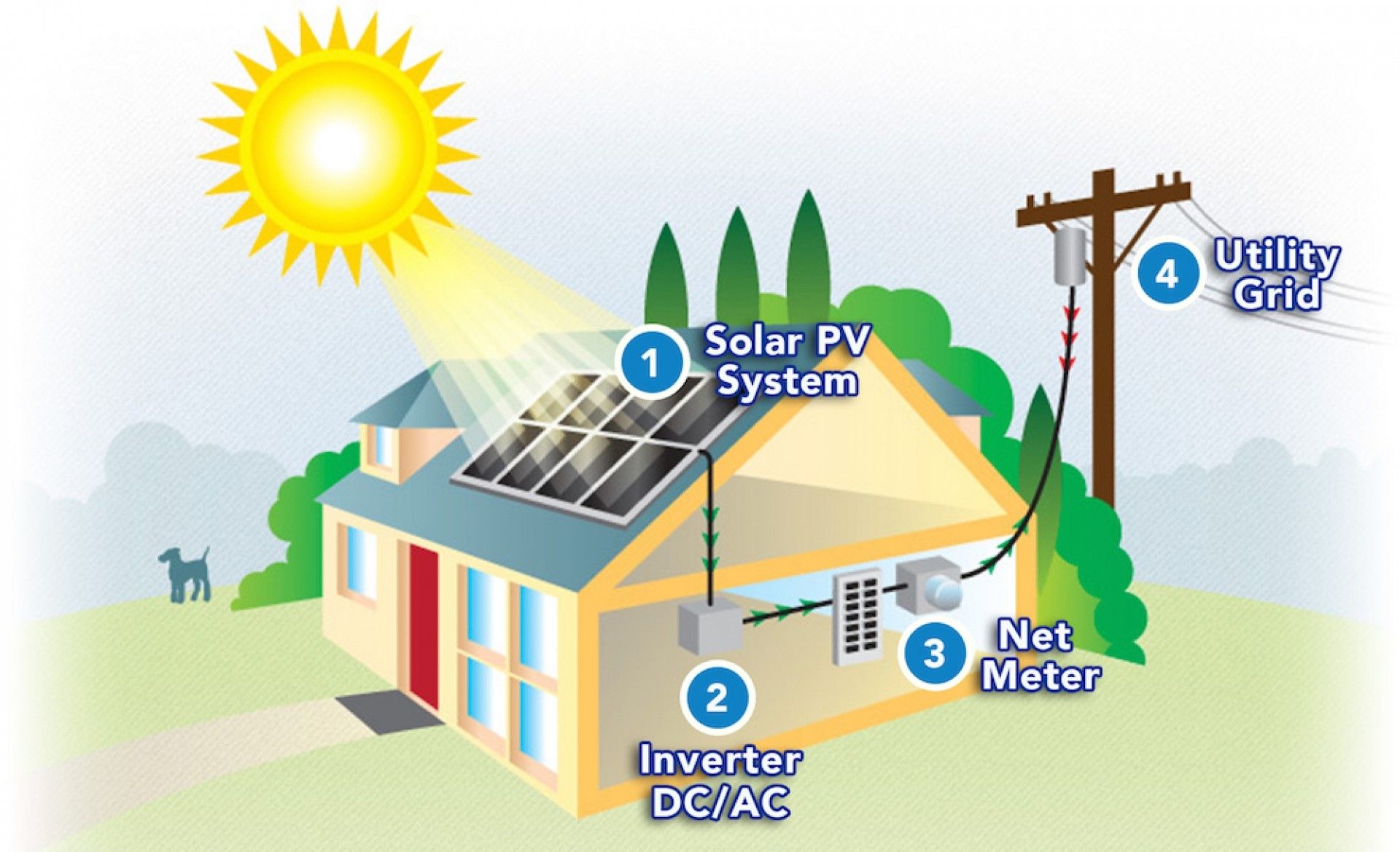
As Pakistan continues to face challenges with rising electricity prices and frequent load-shedding, more households and businesses are turning to solar energy. One of the most revolutionary policies that has accelerated this transition is net metering. Introduced by NEPRA (National Electric Power Regulatory Authority), net metering allows solar system owners to connect their systems to the national grid and earn credits for the excess electricity they generate.
Simply put, if your solar panels produce more energy than you consume, the extra power is sent to the grid. In return, you receive credits that reduce your electricity bill. This makes solar not just a way to save money, but also a way to earn from your investment in renewable energy.
What is Net Metering?
Net metering is a billing mechanism that enables electricity consumers with solar panels to offset their electricity costs by supplying surplus power back to the utility grid. In Pakistan, NEPRA introduced the Net Metering Regulations 2015, which laid the foundation for distributed generation using renewable energy.
- Eligibility: Consumers with a solar system ranging from 1kW to 1MW can apply.
- Bidirectional Meter: A special digital meter records both the electricity imported from the grid and the electricity exported to the grid.
- Billing: At the end of the billing cycle, the exported units are subtracted from the imported units, lowering the net bill.
Why Net Metering is a Game Changer in Pakistan
For a country where electricity demand consistently outpaces supply, net metering offers a win-win solution. It not only empowers consumers to take control of their energy costs but also contributes to the national grid during peak demand hours.12
| Feature | Benefit for Consumers | Benefit for Pakistan |
|---|---|---|
| Lower Bills | Consumers save money by offsetting electricity costs. | Reduces strain on national grid. |
| Excess Power Utilization | Earn credits for electricity not consumed. | Encourages renewable adoption. |
| Energy Independence | Less reliance on grid electricity. | Supports national energy security. |
Step-by-Step Process for Getting Net Metering in Pakistan
Applying for net metering involves several steps, but with professional support from companies like SSES, the process becomes seamless. Here’s how it works:
- Site Assessment: A qualified solar company inspects your location and determines the best system size.
- Application Submission: The company submits an application to your DISCO (Distribution Company) along with technical documents.
- System Installation: The solar system is installed according to NEPRA’s guidelines.
- Inspection: DISCO engineers inspect the system to ensure compliance with safety and technical standards.
- Bidirectional Meter Installation: A net meter is installed to measure both import and export units.
- Approval & Agreement: Once approved, the consumer signs an interconnection agreement with DISCO.
The entire process usually takes between 30 to 90 days, depending on the distribution company and system size.
Documents Required for Net Metering Application
To apply for net metering in Pakistan, you’ll need to submit the following documents:
- Copy of latest electricity bill
- CNIC of applicant
- System design and single line diagram
- Installation certificate from PEC certified engineer
- Application form provided by DISCO