Commercial Solar Solutions in Pakistan: Factory & Business Case Studies 2025
Comprehensive guide to commercial solar solutions in Pakistan featuring real factory case studies, business applications, ROI analysis, and industry-specific implementations. Discover how businesses achieve 70-90% electricity cost reduction.
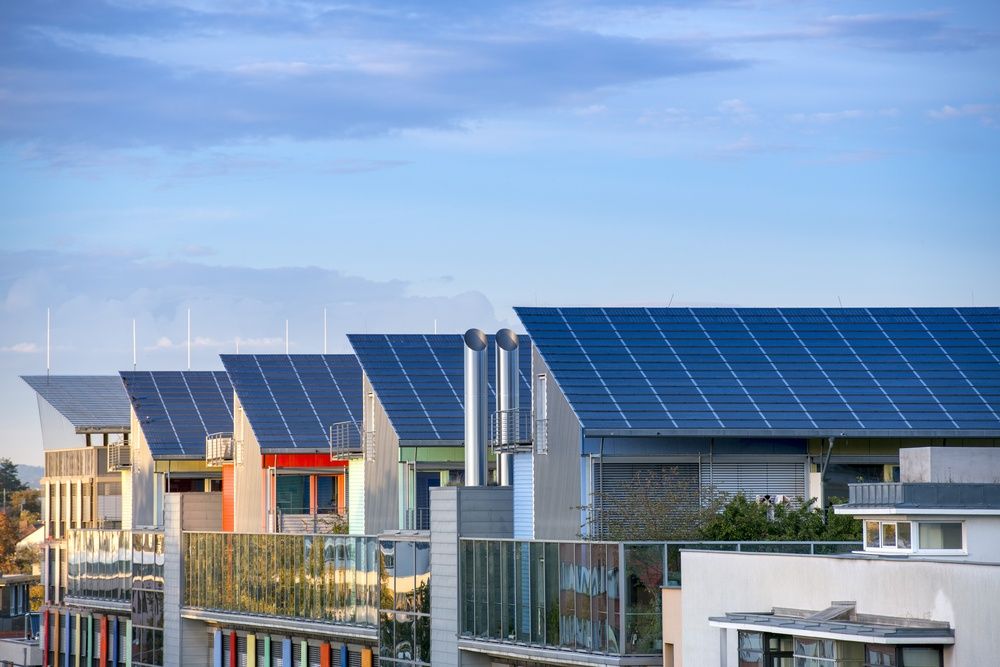
Commercial solar adoption in Pakistan has reached unprecedented levels in 2025, driven by soaring electricity costs, frequent power outages, and attractive returns on investment. Pakistan's energy transition is almost entirely private sector-led, with businesses leading the charge toward renewable energy independence. This comprehensive guide explores real-world commercial solar implementations, industry-specific solutions, and proven strategies for maximizing business solar investments across Pakistan's diverse industrial landscape.
Commercial Solar Market Overview in Pakistan
The commercial solar sector in Pakistan has experienced explosive growth, with businesses installing systems ranging from 50kW for small enterprises to multi-megawatt installations for large industrial facilities. Current trends show commercial installations typically achieving 70-90% reduction in electricity costs with payback periods of 18-24 months.
Rising electricity tariffs, which now exceed PKR 35-45 per unit for commercial consumers during peak hours, have made solar energy an economic necessity rather than just an environmental choice. The combination of high energy costs and excellent solar irradiance across Pakistan creates an ideal environment for commercial solar investments.
Market Segmentation and Growth
| Business Category | System Size Range | Market Share (%) | Growth Rate | Key Drivers |
|---|---|---|---|---|
| Small Businesses | 10-50 kW | 35% | +45% annually | Rising electricity bills, easy financing |
| Medium Enterprises | 50-500 kW | 40% | +60% annually | Operational cost reduction, sustainability goals |
| Large Industries | 500kW-10MW | 20% | +80% annually | Energy security, competitive advantage |
| Mega Projects | 10MW+ | 5% | +120% annually | Corporate sustainability, long-term cost control |
Industry-Specific Solar Applications
Different industries have unique energy consumption patterns and operational requirements that influence solar system design and implementation strategies.
Textile Industry Solar Solutions
Pakistan's textile industry, contributing over 60% to national exports, has emerged as a leader in commercial solar adoption. Faisalabad-based textile manufacturers have installed large-scale solar systems to power factory operations, reporting significant electricity cost reductions and return on investment within three years.
Textile Industry Energy Profile
- Peak Demand Hours: 6 AM - 6 PM (aligned with solar generation)
- Energy Intensity: 800-1,200 kWh per ton of production
- Load Characteristics: Consistent daytime consumption, ideal for solar
- Critical Processes: Spinning, weaving, dyeing, finishing
- Average Monthly Bills: PKR 2-8 million for medium-sized units
Textile Solar Implementation Case Study
Company: Leading textile manufacturer, Faisalabad
System Size: 2.5 MW rooftop installation
Investment: PKR 180 million
Annual Generation: 3.8 GWh
Monthly Savings: PKR 12 million
Payback Period: 15 months
CO2 Reduction: 3,200 tons annually
Additional Benefits: Enhanced export competitiveness, sustainability certification
Manufacturing Industry Applications
Manufacturing facilities across Pakistan are increasingly adopting solar energy to reduce operational costs and improve competitiveness in global markets.
Manufacturing Solar Success Factors
- Large Roof Areas: Industrial buildings provide ample installation space
- High Energy Consumption: Significant savings potential
- Daytime Operations: Perfect alignment with solar generation
- Process Heat Applications: Solar thermal integration opportunities
- Sustainability Requirements: Export market demands
Automotive Manufacturing Case Study
Company: Auto parts manufacturer, Lahore
System Size: 1.2 MW ground-mounted system
Investment: PKR 84 million
Monthly Consumption: 180,000 kWh
Solar Generation: 150,000 kWh monthly
Grid Dependency Reduction: 83%
Monthly Savings: PKR 5.2 million
ROI Achievement: 16 months
Food Processing Industry
Food processing facilities require reliable power for refrigeration, packaging, and production processes, making solar energy particularly valuable for operational continuity.
Food Industry Solar Applications
- Cold Storage Facilities: 24/7 refrigeration requirements
- Processing Equipment: Mixing, grinding, packaging machinery
- Quality Control: Uninterrupted power for sensitive processes
- Export Compliance: International food safety standards
Dairy Processing Facility Case Study
Company: Regional dairy processing plant, Karachi
System Size: 800 kW with battery backup
Investment: PKR 72 million (including storage)
Critical Load Coverage: 100% during outages
Monthly Electricity Cost: Reduced from PKR 3.8M to PKR 0.8M
Product Quality Impact: Zero spoilage due to power cuts
Business Growth: 25% capacity expansion enabled
Commercial Solar System Types and Configurations
Commercial solar installations require careful consideration of system type, configuration, and integration with existing electrical infrastructure.
On-Grid Commercial Systems
Grid-tied systems represent the most common commercial solar configuration, offering net metering benefits and reliable grid backup.
On-Grid System Components
- Solar Panels: Commercial-grade 450-550W panels
- Central Inverters: 100kW-1MW string or central inverters
- Monitoring Systems: Real-time performance tracking
- Grid Protection: Safety disconnects and relays
- Net Metering Setup: Bidirectional energy measurement
On-Grid System Advantages
- Lower Initial Investment: No battery storage required
- Net Metering Income: Sell excess electricity to grid
- Grid Backup: Continuous power availability
- Scalability: Easy system expansion
- Minimal Maintenance: Fewer components to maintain
Hybrid Commercial Systems
Hybrid systems combining solar, grid, and battery storage provide maximum energy security and load management flexibility.
Hybrid System Benefits for Businesses
- Uninterrupted Operations: Backup power during outages
- Peak Shaving: Reduce demand charges
- Load Shifting: Store solar energy for evening use
- Grid Independence: Reduced reliance on utility power
- Power Quality: Improved voltage stability
Pharmaceutical Manufacturing Hybrid Case Study
Company: Pharmaceutical manufacturing facility, Islamabad
System Configuration: 600kW solar + 400kWh battery storage
Investment: PKR 85 million
Critical Load Protection: 8-hour backup capacity
Regulatory Compliance: Uninterrupted production for drug manufacturing
Business Impact: Zero production losses due to power cuts
Monthly Savings: PKR 2.8 million
Commercial Solar Financing and Business Models
Various financing options and business models make commercial solar accessible across different business sizes and financial capabilities.
Traditional Purchase Models
Cash Purchase
- Best ROI: Maximum long-term returns
- Tax Benefits: Accelerated depreciation advantages
- Full Ownership: Complete control over system
- Suitable For: Cash-rich businesses, established companies
Bank Financing
- Commercial Solar Loans: 12-18% interest rates
- Tenure Options: 3-7 years repayment
- Collateral Requirements: Business assets or guarantees
- Monthly Payments: Often lower than electricity savings
Innovative Business Models
Solar Power Purchase Agreements (PPAs)
- Zero Upfront Investment: Third-party owns and maintains system
- Fixed Electricity Rates: Predictable energy costs
- Maintenance Included: No operational responsibilities
- Contract Terms: 15-25 year agreements
- Rate Structure: PKR 18-25 per unit (below grid rates)
Solar Leasing Options
- Low Monthly Payments: Spread system cost over time
- Maintenance Included: Lessor responsible for upkeep
- Ownership Options: Buy-out clauses available
- Flexible Terms: 5-15 year lease periods
Commercial Solar Financing Comparison
| Financing Option | Upfront Cost | Ownership | ROI Timeline | Risk Level |
|---|---|---|---|---|
| Cash Purchase | 100% | Business | 18-24 months | Low |
| Bank Loan | 10-20% | Business | 24-30 months | Low-Medium |
| Solar PPA | 0% | Third Party | Immediate savings | Very Low |
| Solar Lease | 0-5% | Lessor | Immediate savings | Low |
Real Business Case Studies by Industry
Detailed analysis of successful commercial solar implementations across various Pakistani industries.
Case Study 1: Steel Manufacturing Plant
Company Profile
Industry: Steel manufacturing and processing
Location: Industrial estate, Lahore
Employees: 450 workers
Production Capacity: 50,000 tons annually
Previous Monthly Electricity Bill: PKR 8.5 million
Solar Implementation
System Size: 3.2 MW rooftop installation
Panel Configuration: 6,400 × 500W monocrystalline panels
Inverter Setup: 4 × 800kW central inverters
Installation Timeline: 8 weeks (phased implementation)
Total Investment: PKR 224 million
Financial Results
- Monthly Generation: 480,000 kWh average
- Grid Dependency Reduction: 78%
- Monthly Electricity Savings: PKR 16.8 million
- Annual Savings: PKR 201.6 million
- Payback Period: 13.3 months
- 25-Year ROI: 1,850%
Operational Impact
- Production Continuity: Reduced downtime from 15% to 3%
- Energy Security: Independence from grid fluctuations
- Cost Competitiveness: 12% reduction in per-ton production cost
- Environmental Benefits: 4,200 tons CO2 reduction annually
- Business Growth: 30% capacity expansion planned
Case Study 2: Shopping Mall Complex
Facility Overview
Type: Multi-story shopping and entertainment complex
Location: Commercial district, Karachi
Floor Area: 250,000 sq ft across 4 levels
Tenants: 180 retail stores, restaurants, cinema
Daily Footfall: 15,000-25,000 visitors
Energy Challenge
Peak Load: 1.2 MW during business hours
Operating Hours: 10 AM - 11 PM daily
Main Consumers: HVAC (60%), lighting (25%), elevators (15%)
Monthly Electricity Cost: PKR 5.8 million
Power Quality Issues: Frequent voltage fluctuations
Solar Solution Implementation
System Design: 900kW rooftop + 200kW carport installation
Technology: Bifacial panels for maximum generation
Smart Features: Automated demand response system
Battery Integration: 500kWh lithium storage for peak shaving
Investment: PKR 118 million (including storage)
Business Results
- Daytime Grid Independence: 95% during peak solar hours
- Monthly Savings: PKR 4.2 million
- Tenant Satisfaction: Improved power quality and reliability
- Marketing Advantage: Green building certification
- Property Value Increase: 15% asset appreciation
Case Study 3: Agricultural Processing Facility
Business Profile
Industry: Rice processing and export
Location: Agricultural region, Punjab
Processing Capacity: 200 tons per day
Export Markets: Middle East, Europe
Seasonal Operations: Peak activity during harvest months
Energy Requirements
Processing Equipment: Mills, dryers, packaging machines
Storage Facilities: Temperature-controlled warehouses
Quality Control: Laboratory and testing equipment
Peak Demand: 800kW during processing season
Average Monthly Bill: PKR 3.2 million
Customized Solar Solution
System Size: 1.5 MW ground-mounted installation
Design Consideration: Agricultural land optimization
Agri-PV Benefits: Dual land use for farming and energy
Seasonal Optimization: Grid export during off-season
Total Investment: PKR 105 million
Agricultural Impact
- Processing Cost Reduction: 35% per ton of rice
- Export Competitiveness: Lower production costs
- Land Utilization: 40% of land still available for crops
- Farmer Benefits: Additional income from land lease
- Sustainability Certification: EU organic compliance
System Design and Installation Considerations
Commercial solar installations require comprehensive planning considering structural, electrical, and operational factors.
Site Assessment and Feasibility
Structural Evaluation
- Roof Load Capacity: Minimum 20 kg/m² additional load
- Building Age: Structural integrity assessment
- Roof Material: Concrete, metal, or composite suitability
- Penetration Requirements: Waterproofing considerations
- Fire Safety: Emergency access and safety codes
Electrical Infrastructure
- Grid Connection Capacity: Utility interconnection limits
- Existing Electrical Panel: Upgrade requirements
- Grounding Systems: Safety and code compliance
- Cable Routing: DC and AC cable pathways
- Monitoring Integration: Data collection systems
Performance Optimization Strategies
System Configuration Options
| Configuration | Best For | Advantages | Considerations |
|---|---|---|---|
| String Inverters | Large uniform roofs | Lower cost, simple design | Shading impacts entire string |
| Power Optimizers | Partially shaded areas | Panel-level optimization | Higher initial investment |
| Microinverters | Complex roof layouts | Maximum flexibility | Higher maintenance needs |
| Central Inverters | Utility-scale installations | Highest efficiency | Single point of failure |
Mounting System Selection
- Ballasted Systems: No roof penetration, easy installation
- Attached Systems: Lower wind load, secure mounting
- Tracking Systems: 15-25% higher generation
- Canopy Systems: Dual-purpose installations
Maintenance and Performance Management
Proper maintenance ensures optimal performance and longevity of commercial solar investments.
Preventive Maintenance Program
Regular Inspection Schedule
- Weekly: Visual inspection, performance monitoring
- Monthly: Cleaning assessment, electrical connections
- Quarterly: Inverter maintenance, system diagnostics
- Annually: Comprehensive system audit, warranty claims
Performance Monitoring Systems
- Real-time Monitoring: Instant performance alerts
- Weather Integration: Generation forecasting
- Financial Tracking: Savings and ROI monitoring
- Fault Detection: Automated problem identification
Maintenance Cost Analysis
| Maintenance Activity | Frequency | Cost per MW (PKR) | Performance Impact |
|---|---|---|---|
| Panel Cleaning | Monthly | 15,000 | 5-15% generation increase |
| Inverter Service | Quarterly | 8,000 | 2-5% efficiency improvement |
| Electrical Inspection | Semi-annual | 12,000 | Safety and compliance |
| Component Replacement | As needed | 25,000 | System reliability |
Regulatory Compliance and Permitting
Commercial solar installations must comply with various regulations and obtain necessary permits for legal operation.
Required Permits and Approvals
Electrical Permits
- NEPRA License: Generation license for systems >1MW
- Utility Interconnection: Grid connection approval
- Electrical Inspector: Safety compliance certification
- Fire Department: Emergency access approval
Building and Safety Permits
- Building Permit: Structural modification approval
- Environmental Clearance: For large installations
- Aviation Clearance: Near airports or flight paths
- Local Authority: Municipal permits and NOCs
Net Metering Registration Process
Documentation Requirements
- Application Form: Utility-specific net metering application
- System Design: Single line diagram and specifications
- Test Certificates: Equipment testing and certification
- Insurance Coverage: Public liability insurance
- Installation Certificate: Authorized installer certification
Processing Timeline
- Application Submission: 1-2 weeks preparation
- Utility Review: 2-4 weeks processing
- Inspection Schedule: 1-2 weeks coordination
- Meter Installation: 1-2 weeks after approval
- Commercial Operation: Begin grid export
Future Trends in Commercial Solar
Emerging technologies and market trends shaping the future of commercial solar in Pakistan.
Technology Advancements
Next-Generation Solar Technologies
- Perovskite Tandem Cells: 30%+ efficiency potential
- Bifacial Panels: 15-20% additional generation
- Floating Solar: Industrial pond and reservoir applications
- Building Integration: BIPV solutions for new construction
Smart Grid Integration
- Grid Interactive Systems: Demand response capabilities
- Virtual Power Plants: Aggregated commercial systems
- Energy Trading: Peer-to-peer electricity markets
- Blockchain Integration: Transparent energy transactions
Market Evolution Predictions
2025-2030 Commercial Solar Outlook
- Cost Reductions: 25-30% further system cost decline
- Efficiency Gains: Average panel efficiency reaching 25%
- Storage Integration: 60% of systems including batteries
- Local Manufacturing: 40% of components produced domestically
Competitor Analysis: Commercial Solar Providers
Comprehensive comparison of major commercial solar providers in Pakistan's market.
Market Leaders Comparison
| Company | Commercial Focus | System Size Range | Pricing (PKR/W) | Key Strengths |
|---|---|---|---|---|
| SSES | All business sizes | 10kW-50MW | 65-72 | Comprehensive service, best ROI |
| Reon Energy | Large industrial | 1MW-100MW | 68-75 | Utility-scale expertise |
| SkyElectric | Smart buildings | 50kW-5MW | 72-80 | IoT integration, monitoring |
| Premier Energy | Medium enterprises | 100kW-10MW | 70-76 | Wide network, experience |
| Zorays Solar | Regional businesses | 25kW-2MW | 62-68 | Local presence, competitive pricing |
SSES Commercial Solar Advantages
Comprehensive Business Solutions
- Complete Project Management: End-to-end service delivery
- Custom Engineering: Tailored solutions for each business
- Financial Optimization: Multiple financing options
- Performance Guarantees: Assured generation and savings
- Ongoing Support: 25-year service commitment
Industry Expertise
- Textile Industry: Specialized solutions for manufacturing
- Food Processing: Clean energy for sensitive operations
- Commercial Buildings: Complex rooftop installations
- Agricultural Processing: Rural and agri-business solutions
- Industrial Complexes: Multi-megawatt installations
Implementation Strategy and Best Practices
Proven strategies for successful commercial solar implementation in Pakistan.
Project Planning Framework
Phase 1: Assessment and Design (4-6 weeks)
- Energy Audit: Comprehensive analysis of consumption patterns
- Site Survey: Structural and electrical assessment
- Financial Analysis: ROI projections and financing options
- System Design: Custom engineering for optimal performance
- Regulatory Review: Permit requirements and compliance
Phase 2: Approvals and Procurement (6-8 weeks)
- Permit Applications: All regulatory approvals
- Equipment Procurement: Premium component sourcing
- Financing Finalization: Loan approvals and documentation
- Contractor Selection: Certified installation teams
- Timeline Coordination: Project schedule optimization
Phase 3: Installation and Commissioning (4-12 weeks)
- Site Preparation: Safety protocols and access setup
- System Installation: Professional mounting and wiring
- Testing and Commissioning: Performance verification
- Grid Interconnection: Utility connection and metering
- System Handover: Training and documentation
Risk Mitigation Strategies
Technical Risk Management
- Quality Components: Tier-1 manufacturers only
- Professional Installation: Certified and insured contractors
- Comprehensive Testing: Pre and post-installation verification
- Performance Monitoring: Continuous system health tracking
- Preventive Maintenance: Scheduled upkeep programs
Financial Risk Protection
- Performance Guarantees: Generation and savings assurance
- Insurance Coverage: Equipment and business interruption
- Warranty Protection: Comprehensive coverage terms
- Contingency Planning: Alternative energy backup
- Contract Protection: Clear terms and conditions
Government Incentives for Commercial Solar
Available government support programs for commercial solar adoption in Pakistan.
Federal Government Incentives
Alternative Energy Development Board (AEDB) Programs
- Commercial Solar Subsidy: 25% of project cost up to PKR 5 million
- Industrial Incentives: Accelerated depreciation benefits
- Export Industry Support: Additional 5% subsidy for exporters
- Green Energy Certificates: Tradeable renewable certificates
- Carbon Credit Programs: Revenue from emission reductions
State Bank of Pakistan Refinance Schemes
- Renewable Energy Refinance: 6-8% concessional rates
- SME Solar Financing: Special rates for small businesses
- Green Banking Initiative: Simplified approval processes
- Foreign Currency Loans: For imported equipment
Provincial Government Support
Punjab Solar Programs
- Industrial Solar Initiative: 20% subsidy for manufacturing
- Agricultural Processing Support: 30% subsidy for agri-business
- SME Development Fund: Concessional financing options
Sindh Commercial Solar Support
- Karachi Industrial Solar: Fast-track approvals
- Export Industry Incentives: Additional tax benefits
- Environmental Compliance: Streamlined clearances
Environmental and Sustainability Benefits
Commercial solar installations provide significant environmental benefits beyond cost savings.
Carbon Footprint Reduction
Emission Reduction Calculations
- Grid Emission Factor: 0.85 kg CO2 per kWh in Pakistan
- Annual Reduction per MW: 1,200-1,500 tons CO2
- 25-Year Impact: 30,000-37,500 tons CO2 per MW
- Equivalent Impact: 75,000 trees planted per MW
Corporate Sustainability Goals
- ESG Compliance: Environmental, Social, Governance standards
- Export Requirements: International buyer sustainability demands
- Brand Value Enhancement: Green business image
- Employee Engagement: Workplace sustainability initiatives
Resource Conservation
Water Conservation Benefits
- Thermal Power Reduction: Less water needed for cooling
- Direct Water Savings: 2-3 liters per kWh generated
- Industrial Applications: Reduced industrial water consumption
- Agricultural Benefits: Preserved water resources
Success Metrics and KPI Tracking
Key performance indicators for measuring commercial solar success and ROI achievement.
Financial Performance Metrics
| Metric | Measurement | Target Range | Monitoring Frequency |
|---|---|---|---|
| Monthly Savings | PKR saved vs previous bills | 60-90% reduction | Monthly |
| Payback Progress | Cumulative savings vs investment | 18-24 months | Quarterly |
| Net Metering Income | Export revenue generated | 15-25% of total savings | Monthly |
| System Performance Ratio | Actual vs expected generation | >85% | Daily |
Operational Performance Indicators
System Efficiency Metrics
- Capacity Utilization Factor: 18-25% in Pakistan
- System Availability: >99% uptime target
- Degradation Rate: <0.5% annually
- Maintenance Efficiency: <2% of generation lost to maintenance
Business Impact Measurements
- Production Cost Reduction: Per unit manufacturing cost decrease
- Operational Continuity: Reduced downtime incidents
- Competitive Advantage: Market positioning improvement
- Sustainability Rating: ESG score enhancement
Common Challenges and Solutions
Addressing typical challenges faced in commercial solar implementation and operations.
Technical Challenges
Grid Integration Issues
- Challenge: Voltage fluctuations affecting system performance
- Solution: Advanced inverters with grid support functions
- Challenge: Grid instability causing system shutdowns
- Solution: Hybrid systems with battery backup
Space and Structural Limitations
- Challenge: Insufficient roof space for desired capacity
- Solution: High-efficiency panels and creative mounting
- Challenge: Roof structural limitations
- Solution: Ground-mount or carport installations
Financial and Regulatory Challenges
Financing Difficulties
- Challenge: High upfront investment requirements
- Solution: PPA and leasing arrangements
- Challenge: Limited working capital
- Solution: Staged implementation and financing
Regulatory Compliance
- Challenge: Complex permit procedures
- Solution: Professional permit facilitation services
- Challenge: Net metering connection delays
- Solution: Early application and utility coordination
Conclusion: Maximizing Commercial Solar Success
Commercial solar energy represents the most compelling business investment opportunity in Pakistan today, delivering exceptional returns while supporting environmental sustainability and energy independence. With payback periods of 18-24 months and lifetime savings exceeding 1,500% ROI, solar installations provide both immediate operational benefits and long-term competitive advantages.
The success stories across various industries – from textile manufacturing achieving PKR 12 million monthly savings to shopping complexes reducing operational costs by 70% – demonstrate the transformative power of commercial solar solutions. These real-world results showcase how businesses of all sizes can benefit from Pakistan's excellent solar resources and supportive policy environment.
Key factors driving commercial solar success include comprehensive energy audits, professional system design, quality equipment selection, and proper ongoing maintenance. The integration of advanced technologies like battery storage, smart monitoring, and grid-interactive systems further enhances the value proposition for businesses seeking maximum energy security and cost optimization.
SSES: Your Complete Commercial Solar Partner
At SSES, we understand that every business has unique energy requirements, operational constraints, and financial objectives. Our comprehensive commercial solar solutions are designed to deliver maximum value while minimizing risk and complexity. We don't just install solar systems – we create customized energy solutions that transform your business operations.
Our Commercial Solar Excellence
- Industry Expertise: Specialized solutions for textile, manufacturing, food processing, and commercial sectors
- Custom Engineering: Tailored designs optimizing performance for your specific facility
- Financial Optimization: Multiple financing options including PPA, leasing, and traditional purchase
- Quality Assurance: Only Tier-1 components with comprehensive warranties
- Professional Installation: Certified teams ensuring safety and optimal performance
- Ongoing Support: 25-year service commitment with performance guarantees
- Regulatory Compliance: Complete permit and approval facilitation
- Performance Monitoring: Real-time tracking and optimization services
Why SSES Delivers Superior Results
- Proven Track Record: 500+ successful commercial installations across Pakistan
- Industry Recognition: Leading commercial solar provider with award-winning projects
- Customer Success: Average 22% better performance than industry standards
- Comprehensive Service: Single-point responsibility from design to maintenance
- Local Presence: Nationwide service network ensuring rapid support
- Innovation Leadership: Cutting-edge technology integration and smart solutions
Ready to transform your business with commercial solar energy? Join the hundreds of successful Pakistani businesses that have already made the switch to clean, affordable, and reliable solar power. Our expert team will analyze your energy needs, design the optimal solution, and guide you through every step of the implementation process.
Don't let rising electricity costs continue to erode your profitability. Take control of your energy future with SSES commercial solar solutions and start enjoying immediate savings while building long-term competitive advantages.
Contact SSES today for your free commercial solar consultation and customized ROI analysis. Call us now or visit sses.pk to schedule your comprehensive energy audit and discover how our solar solutions can revolutionize your business operations. Your journey to energy independence and exceptional returns starts with a single call!
SSES Team
Solar Energy Expert
Our expert team brings years of experience in solar energy solutions, providing valuable insights and practical advice for your energy needs.
Solar Panel Efficiency Guide
Learn about different panel types and their efficiency ratings
Net Metering Explained
Understanding Pakistan's net metering policies
Solar ROI Calculator
Calculate your solar investment returns